
Control of tissue homeostasis by the extracellular matrix: Synthetic heparan sulfate as a promising therapeutic for periodontal health and bone regeneration. Copyrighted image. Miguez et al., Periodontology 2000 2023

Systemic Dietary Hesperidin Modulation of Osteoclastogenesis, Bone Homeostasis and Periodontal Disease in Mice. Copyrighted image. More on De Paiva et al., IJMS 2022
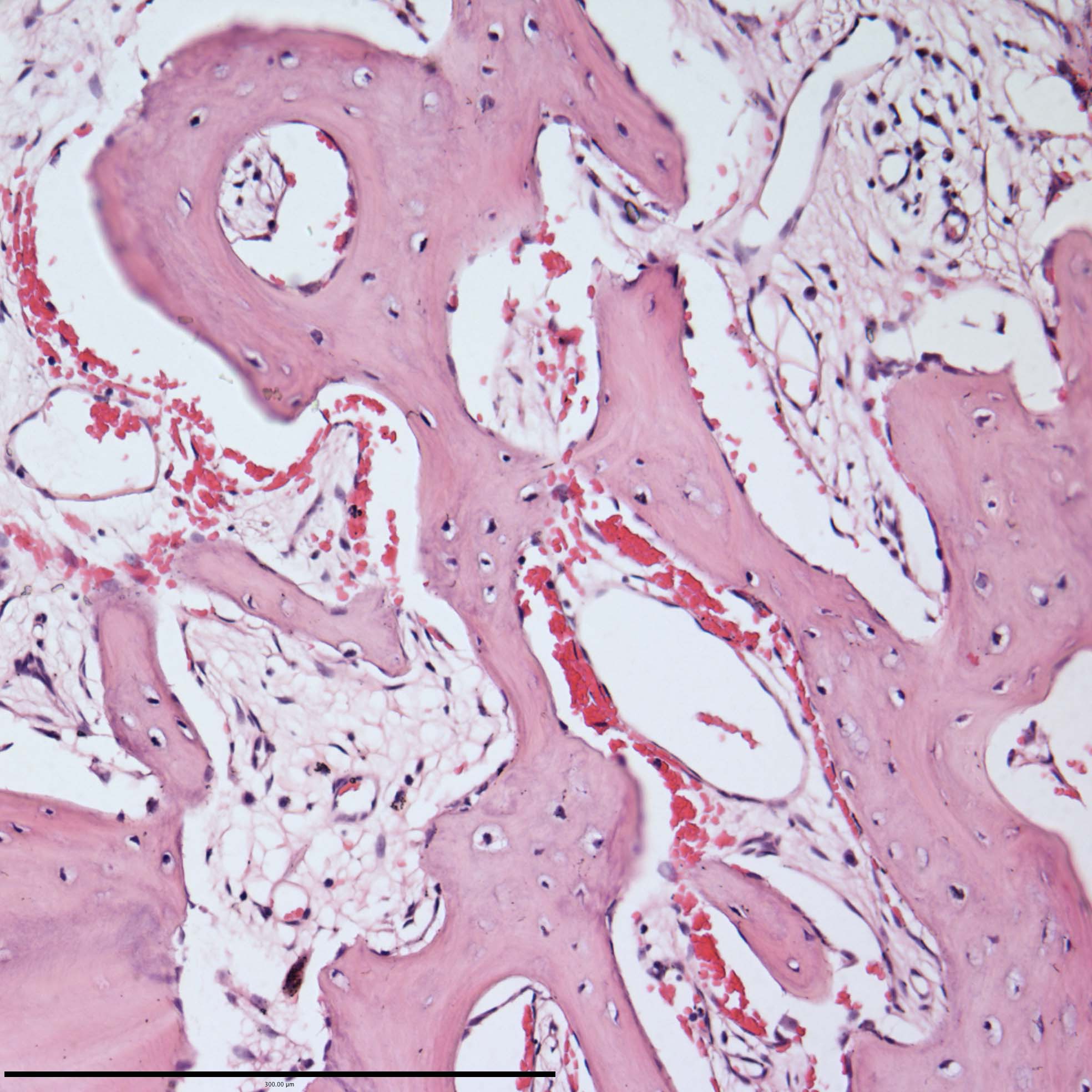
Human alveolar bone healing 8 weeks post tooth extraction. Healing can be affected by phytochemicals. More on Souza Jr. et al., Dent J 2020
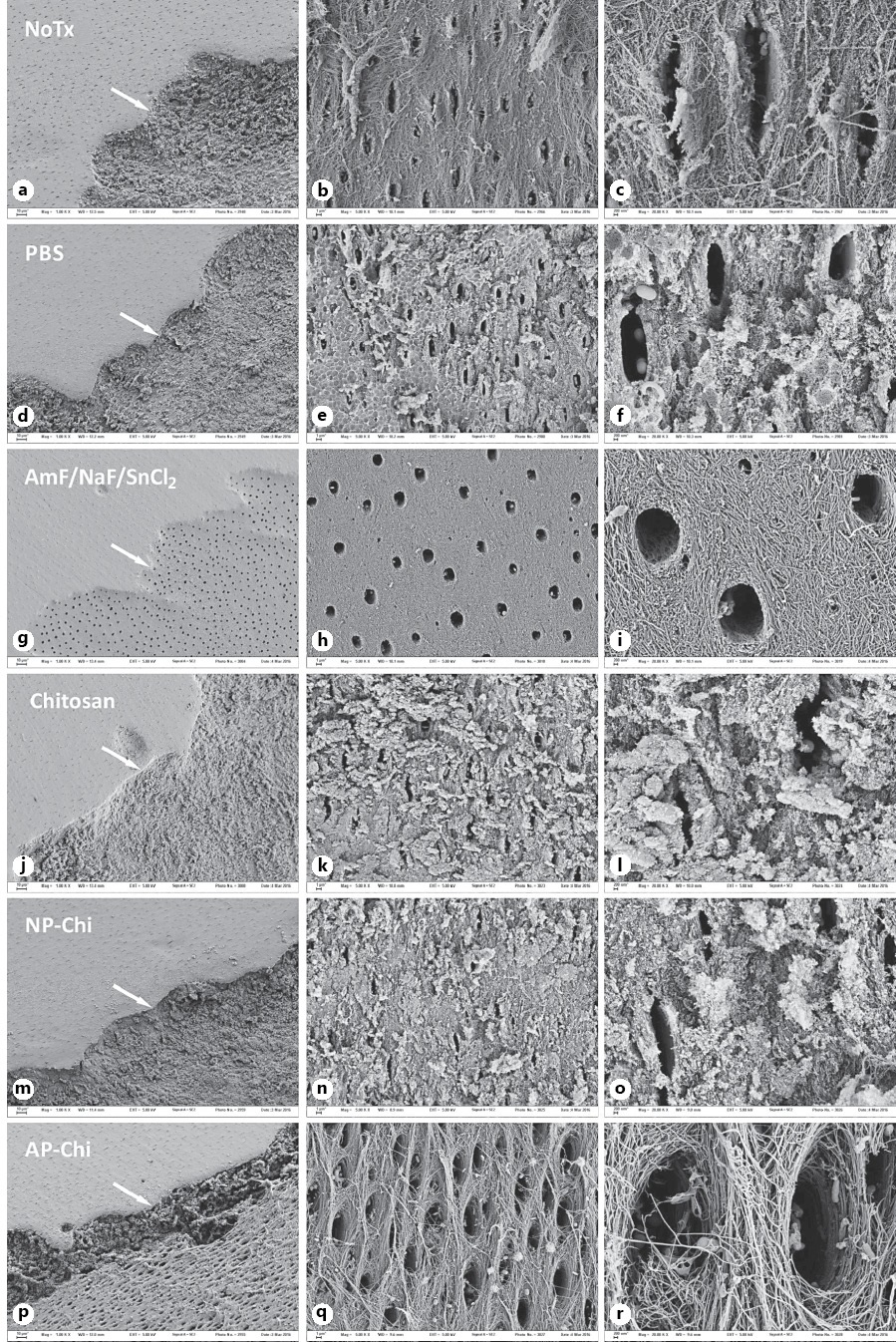
Erosion in dentin surface and demineralized collagen structure. Copyrighted image. More on Beltrame et al., Caries Research 2018
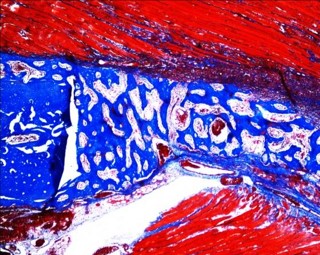
Bone regeneration via use of biologic biglycan. Copyrighted image. Miguez et al., JDR 2014 (cover)
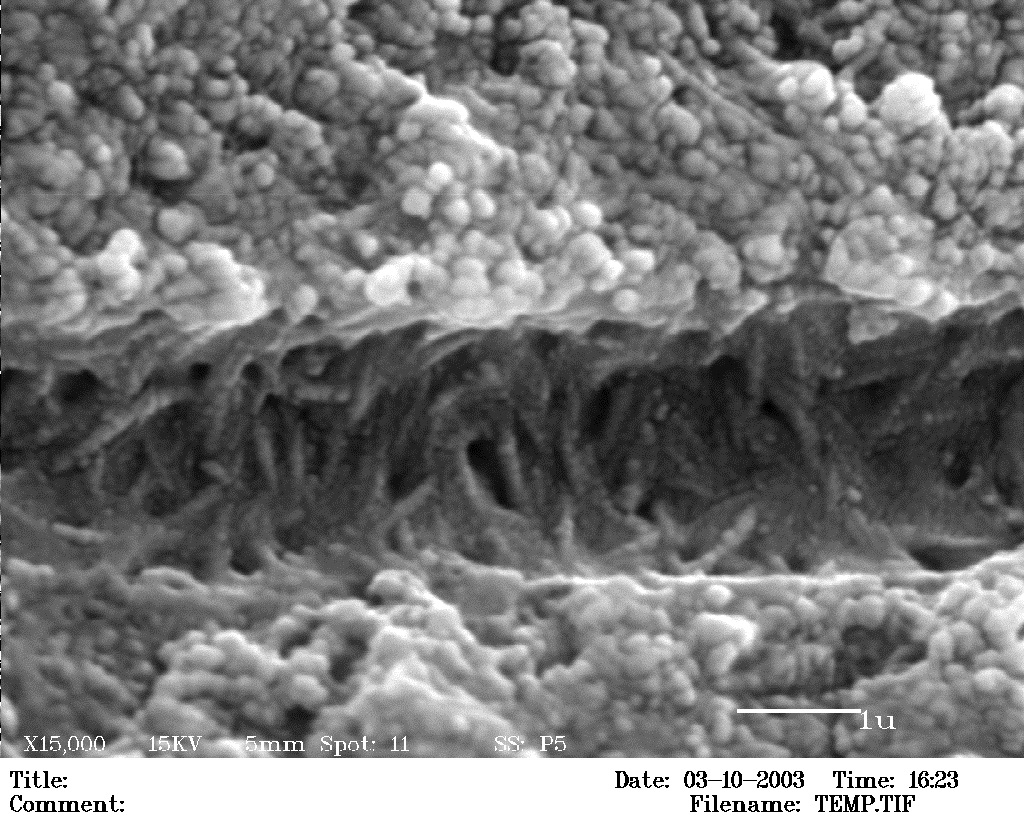
Dentin mineralization pattern and collagen directionallity in dentin. Copyrighted image. Miguez et al., JDR 2004
BONE AND DENTIN BIOLOGY, DISEASE AND REGENERATION
On the research arena, my primary research interests are in mineralized tissue {bone & dentin} maintenance and regeneration and understanding the role of the extracellular matrix proteins {collagen and proteoglycans} and glycosaminoglycans in these processes and in oral diseases, such as periodontal disease and caries, dental erosion, diabetes, cancer, etc. I am also interested in dietary local delivery interventions using phytochemicals/botanicals and understanding the mechanism of their matrix modifying and cell behavior effects and how they could contribute to prevent dentin/bone degradation. Of note, via control of inflammation, ECM molecules and their biomodifications can regulate immunity. More recently, I have engaged in development of matrix-inspired scaffolding for dentin and bone repair/regeneration applications.
Current projects in our lab:
Biglycan Functions in Bone Biology and Diseases
Glycosaminoglycans in Bone Maintenance
Phytochemicals in Bone Healing and Dentin Bio-modification
Host Modulation in the Periodontium via Dietary Compounds
Biomodification of the Dentin Hybrid Layer Collagen
Dentin Repair by Bioactive Materials
ECM-inspired Scaffolds for Craniofacial Regeneration
Novel Modulators of Periodontal and Bone Homeostasis
Projects with other labs:
Peptide-mediated Bone Regeneration
Knock out models in the context of matrix and bone biology including role of autophagy players in bone homeostasis
Smart Delivery Systems of Therapeutics for Periodontal and Bone Maintenance
ECM influence in cancer spreading
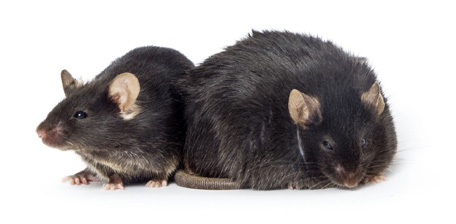
Image Jackson Laboratories.
Keywords: laboratory, basic research, translational research, dentin, bone, biglycan, proteoglycan, collagen, regeneration, repair, mineralization, remineralization, erosion, periodontal disease, caries, biomaterials, chitosan, carbohydrates, aging
On a volunteer basis, we welcome enthusiastic undergraduate researchers. To get the most out of your experience, we recommend committing at least 3 consecutive hours on 3 consecutive (preferably) days to the lab.

Animal research is conducted in the lab under IACUC approval. Image: University of Missouri
{curiosity is more important than knowledge – A. Einstein}